 How do we care for ourselves even when we feel like dominoes are collapsing all around us? How do we ground ourselves in unfamiliar interactions so that we are having meaningful conversations rather than inciting pain?
I reflected on these ideas in a recent TEDx talk on widening our view of humanity, especially with those who may be unlike us. In cultivating my ideas, I took a closer look at the nature of humanity and the divisions we so easily make, sometimes void of reflection, love or kindness. How powerful it would be if we instead attempted to unite with those who are very different from us at first glance?
It was frustrating however, that even as I was preparing to speak on how to have conversations that push us forward, I felt my own painful experiences coming to the surface. I was challenged by the mandate to walk in love and listen intently, while also wanting to fight with angry words, hoping to force people to reverse the hate in their hearts.
And at other times, I was staring at the ugly biases insidiously rising within me. No one is immune to these complexities, no matter how aware we think we are or how deeply we contemplate these things.
I was challenged to see what lies beneath division, to find that we have simplistic, dichotomous ways in which we choose who we love and who we choose to despise.
We quickly paint pictures of unfamiliar people as others, and as the dreaded and misunderstood them over there. And the others are sometimes depicted as less than, undeserving of respect, and in the most heinous circles, even unworthy of living.
This process doesn’t surface overnight. The need to hastily throw people into categories is insidious. It is nurtured in fear, isolation and ignorance over the course of time. And yet again, no one is immune. The sweetest little church lady may harbor hate toward someone who is unlike her. She’d probably call it something different, maybe labeling it as protecting herself, even though there’s nothing to be afraid of.
Fear is powerful and vile, if fed over time. It can become one’s demise if overtaken by it, both mentally and physically.
Harboring fear that transforms into anger, resentment and hate can annihilate us. We mustn’t weaponize fear the way some do.
Then, in order to care for society in all of its complexity and beauty, we must listen intently to what others are saying. And in doing this, we also care well for ourselves, because after all, we are all others and so we are all one.
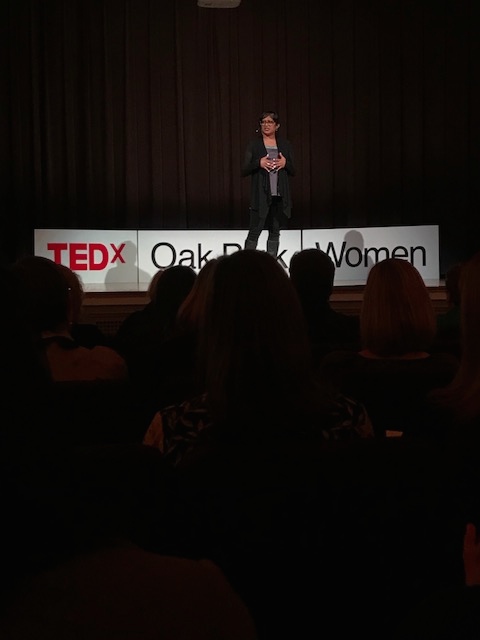
Hear the talk: Confidently Changing the Narrative of Inequity.
 When people don’t know exactly how to hate, it almost appears feigned, as if they’re practicing being insulting and hurtful. There’s a fake barrier that feels somewhat protective because people appear so silly in their attacks. It’s almost poetic justice, their buffoonery.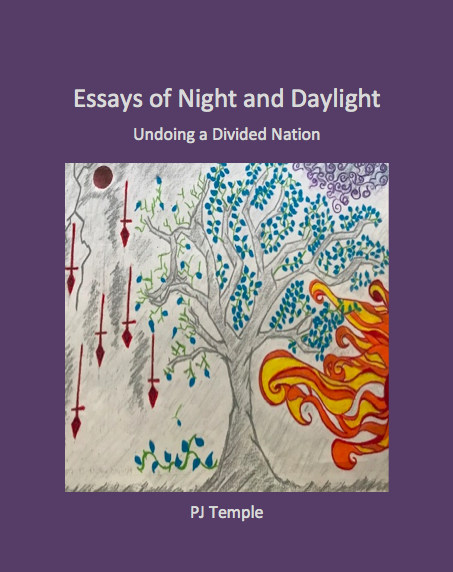
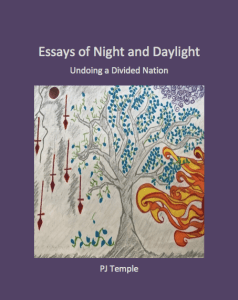 Essays of Night and Daylight